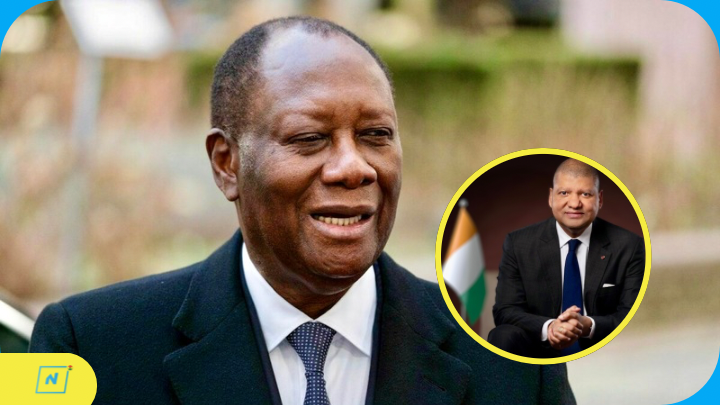
On October 25, 2025, citizens of Côte d’Ivoire (Ivory Coast) headed to the polls to elect their next president. Alassane Ouattara, already in office since 2010, sought a fourth term in a vote marked by controversy and deep divisions.
The electoral commission formally approved five candidates. Among them were Ouattara and former first lady Simone Gbagbo, along with former ministers Jean‑Louis Billon, Henriette Lagou Adjoua and Ahoua Don Mello.
Two major opposition figures were barred: ex-banker Tidjane Thiam was excluded due to his French nationality at the time of registration, and former president Laurent Gbagbo was banned for legal reasons.

Ouattara cited his country’s economic and security challenges as reason to continue in office. He argued that the 2016 constitution reset term limits, making him eligible. Despite strong growth — around 6–7 % annually — his government faces criticism for high youth unemployment and uneven development.
Many observers raised doubts about the election’s fairness. Turnout was reported at about 50 %, similar to previous elections, but observers noted very low participation in key urban areas like Abidjan. Opposition supporters accused the electoral commission of favouring the ruling party and pointed to bans on major challengers.
While official observers described the vote day as generally calm, unrest broke out before polling. A youth protest triggered vandalism at electoral offices and hundreds of arrests. The government deployed thousands of security personnel and imposed curfews in some regions.
Ivory Coast is an economic anchor in West Africa and the world’s largest cocoa producer. Its political stability influences neighbouring countries. Some analysts warn that a contested election outcome could spark unrest, given the country’s history of post-election violence.
Final results were expected on Monday. Many analysts believed Ouattara would win comfortably given the weak field of rivals and his party’s dominance. But the legitimacy of the vote and the openness of the political system remain in question.