
The Ghana Health Service (GHS) has confirmed seven new cases of Mpox (formerly monkeypox), bringing the country’s total number of confirmed infections to 170 since the resurgence of the disease last year.
This update follows a steady increase in Mpox infections in recent months, sparking growing concern among public health officials. The GHS has assured the public that all necessary steps are being taken to contain the outbreak and prevent further spread.
Mpox is a viral disease that was previously common only in Central and West Africa. It gained international attention during the 2022–2023 global outbreak. The virus is transmitted mainly through:
- Close physical contact with an infected person
- Contact with contaminated materials such as clothing or bedding
- In rare cases, through respiratory droplets during prolonged face-to-face contact
Symptoms typically begin with fever, chills, headache, muscle aches, and swollen lymph nodes, followed by a rash that progresses to painful lesions or blisters. The illness often lasts between two to four weeks, and although most cases are mild, vulnerable groups such as children, pregnant women, and those with weak immune systems may experience more severe illness.
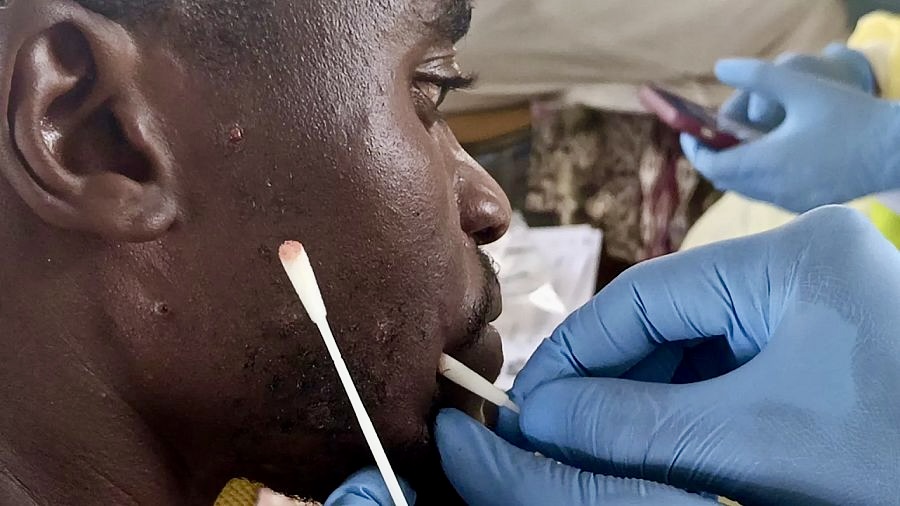
Ghana’s Director of Public Health, Dr. Franklin Asiedu-Bekoe, confirmed that while the number of cases is rising, there have been no reported deaths. Most infected individuals are being managed on an outpatient basis, indicating mild to moderate symptoms.
“Many of the cases are recovering well at home, under medical supervision,” Dr. Asiedu-Bekoe told reporters. “We are continuing our contact tracing, community surveillance, and public education to prevent any escalation.”
Ghana confirmed its first Mpox cases in 2022, but a major resurgence was recorded in October 2024, marking the beginning of a new wave. Since then, case numbers have steadily climbed:
- May 2025: 45 confirmed cases
- June 2025: 133 cases
- July 2025: 170 cases (current)
The Ghana Health Service attributes the increase to enhanced testing and case detection across all 16 regions.
Ghana is not alone in battling this health threat. The World Health Organization (WHO) has identified a reemergence of Clade I Mpox, particularly in Central and East Africa. According to WHO data, as of June 2025, there have been over 146,000 confirmed cases and 340 deaths worldwide since the start of the global outbreak.
Neighboring countries such as Nigeria and Cameroon have also seen surges in infections. In response, African nations are working together to improve disease surveillance and share data and best practices.
To prevent a nationwide outbreak, the Ghana Health Service has outlined key preventive actions:
- Rapid testing and diagnosis in suspected cases
- Intensive contact tracing in affected communities
- Public education on symptoms, transmission, and hygiene
- Collaboration with international partners for resources and training
Officials are also calling on Ghanaians to remain calm and observe the following precautions:
How to Stay Safe
- Avoid close contact with anyone showing signs of a skin rash or flu-like symptoms
- Regularly wash hands with soap and water or use hand sanitizers
- Do not share towels, clothing, or bedding with others
- Seek medical help immediately if symptoms appear
Vaccination and Treatment
Though no specific treatment exists for Mpox, most cases resolve on their own. Antiviral medications like tecovirimat may be used in severe cases. The Ghana Health Service is also exploring vaccination options for frontline workers and high-risk groups in collaboration with the WHO and Africa CDC.
Despite the rise in cases, health officials say there is no cause for panic.
“Mpox is not as contagious as COVID-19,” said Dr. Asiedu-Bekoe. “It requires close contact to spread, so practicing personal hygiene and avoiding risky exposure is the best way to stay safe.”
The government is urging the public to rely only on official sources for updates and to report any suspected symptoms promptly to the nearest health facility.