A rare and awe-inspiring total solar eclipse is set to cross parts of southern Europe, North Africa, and the Middle East on Monday, August 2, 2027. This event promises one of the longest periods of complete darkness in over a century—up to 6 minutes and 23 seconds of totality.
Solar eclipses happen roughly every 18 months, but few reach such a dramatic length of totality. Several unique conditions align to create this rare spectacle:
- Earth will be at aphelion, its farthest point from the sun, making the sun appear slightly smaller.
- The moon will be at perigee, its nearest point to Earth, making it look larger in the sky.
- The eclipse’s path crosses near the equator, where the moon’s shadow travels more slowly, extending the duration of darkness.
Because of these factors, this will be the longest total solar eclipse visible from land between 1991 and 2114.
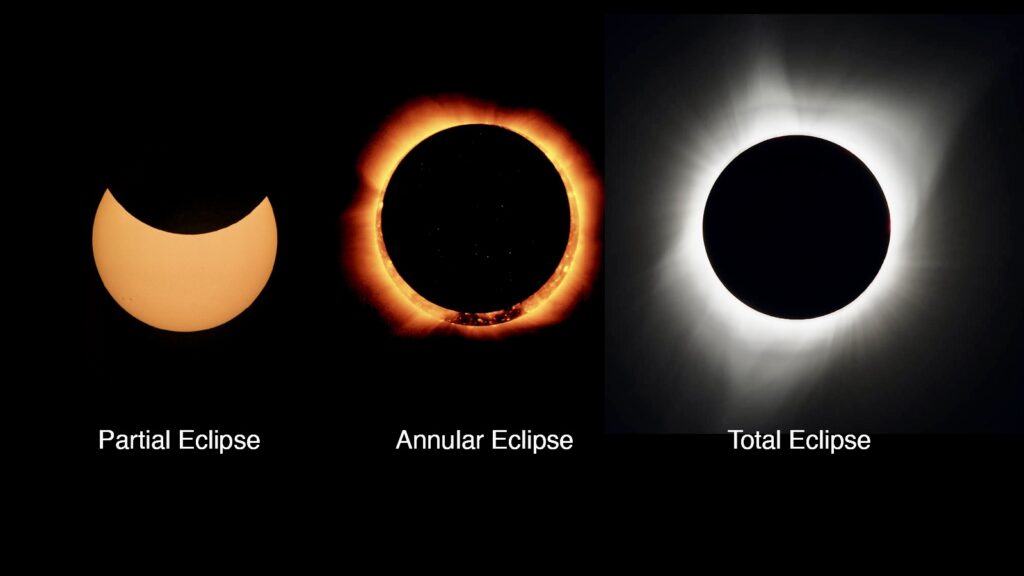
The eclipse begins over the Atlantic Ocean, sweeping over southern Spain and Gibraltar, then traveling across North Africa through Morocco, Algeria, Tunisia, Libya, Egypt, and Sudan. It continues through the Red Sea, then over Saudi Arabia, Yemen, Somalia, and finally passes near the Chagos Archipelago in the Indian Ocean.
The point of greatest totality is near Luxor, Egypt, where total darkness will last about 6 minutes and 22 seconds.
Where and what time to watch
- In Spain, totality will be visible over cities like Cádiz and Málaga in the early afternoon on August 2.
- In Egypt and nearby countries, the event will occur shortly after midday, with Luxor seeing over six minutes of darkness.
Regions like Libya and Egypt—known for clear August skies—offer great weather for viewing . Turin, Spain, and tourist hotspots like Egypt and Saudi Arabia are preparing for clear skies and big crowds.
People located within the path of totality will experience full darkness and the sun’s corona. Millions across eleven countries will witness this rare event.
Those outside the path, including in places like Ghana, will see a partial eclipse. Although not total, it still offers an intriguing sight and can draw interest from astronomy groups and schools.
Safety and scientific opportunities
- Eye protection is essential. Observers must use certified solar filters or eclipse glasses to prevent serious eye damage.
- The extended duration of this eclipse provides a rare chance to study the sun’s corona, its outer atmosphere. Scientists and universities will likely deploy high-altitude balloons, portable observatories, and mobile labs to collect data.
This eclipse is being called the “Great North African Eclipse”, since a wide range of cultures and nations will witness complete darkness in broad daylight. It won’t be surpassed until 2114, making it one of the most significant astronomical events of the century.
This remarkable celestial event is a celebration of nature’s extraordinary precision. Whether you’re in Spain, Egypt, or farther afield, circle August 2, 2027, on your calendar—you won’t want to miss this rare moment when day turns to night.